
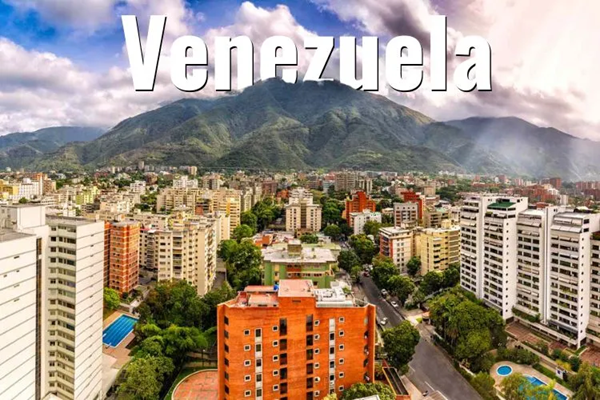
Venezuela, a country located on the northern coast of South America, is a land of striking contrasts — from its breathtaking natural wonders to its turbulent political and economic journey. Once known as one of the wealthiest countries in Latin America, Venezuela’s story is both a tale of immense potential and enduring struggle. Yet, beyond the headlines of crisis and hardship lies a nation of remarkable beauty, cultural depth, and resilience.
Geography and Natural Beauty
Venezuela’s geography is as diverse as it is stunning. The country shares borders with Colombia to the west, Brazil to the south, and Guyana to the east, with the Caribbean Sea forming its northern coastline. This gives Venezuela access to a mix of tropical beaches, dense jungles, towering mountains, and vast plains.
One of Venezuela’s greatest treasures is Angel Falls (Salto Ángel) — the world’s highest uninterrupted waterfall, located in Canaima National Park, a UNESCO World Heritage Site. The Andes Mountains stretch across the western part of the country, while the Orinoco River Basin dominates the interior, offering fertile plains and lush forests. In contrast, the Caribbean coast is dotted with beautiful islands and beaches, such as Los Roques Archipelago, a paradise for divers and travelers seeking crystal-clear waters.
A Land Built on Oil Wealth

Venezuela’s modern history is deeply tied to its vast oil reserves — some of the largest in the world. The discovery of petroleum in the early 20th century transformed the nation’s economy almost overnight. By the mid-1900s, oil exports fueled prosperity, funded infrastructure, and raised living standards. The country became a symbol of economic success in Latin America, attracting workers from across the region.
However, this dependency on oil also created vulnerabilities. When global oil prices dropped, Venezuela’s economy suffered. The overreliance on a single export hindered diversification and made the country’s fortunes fluctuate with the global energy market.
Political Shifts and Economic Decline
The turn of the 21st century marked a dramatic transformation in Venezuela’s political landscape. In 1999, Hugo Chávez rose to power, launching his “Bolivarian Revolution,” which aimed to reduce inequality and redistribute wealth through socialist-oriented policies. Initially, these efforts improved access to healthcare, education, and housing for many low-income families.
But over time, a combination of state mismanagement, corruption, and overdependence on oil revenues began to erode these gains. Following Chávez’s death in 2013, his successor, Nicolás Maduro, faced mounting economic and political challenges. Plummeting oil prices, international sanctions, and widespread corruption led to hyperinflation, food shortages, and a collapsing public infrastructure.
By the late 2010s, Venezuela entered one of the worst economic crises in modern history. The local currency, the bolívar, lost almost all its value, and millions of Venezuelans left the country seeking stability and opportunity abroad — creating one of the largest migration crises in the Western Hemisphere.
A Humanitarian and Migration Crisis
As of the mid-2020s, more than seven million Venezuelans have migrated, mostly to neighboring countries such as Colombia, Brazil, and Peru. This exodus has reshaped the region’s demographics and created both challenges and opportunities for host nations. Inside Venezuela, many families continue to struggle with inflation, limited access to healthcare, and shortages of essential goods.
Despite these difficulties, a growing number of grassroots organizations, NGOs, and international partners are working to support humanitarian relief, rebuild communities, and promote sustainable development. The resilience of Venezuelans — their ability to adapt, rebuild, and remain hopeful — continues to inspire admiration around the world.
Cultural Diversity and Heritage

Beyond its economic and political challenges, Venezuela’s cultural identity remains strong and vibrant. Its population is a beautiful mix of Indigenous, African, and European heritage, reflected in the country’s traditions, music, and cuisine.
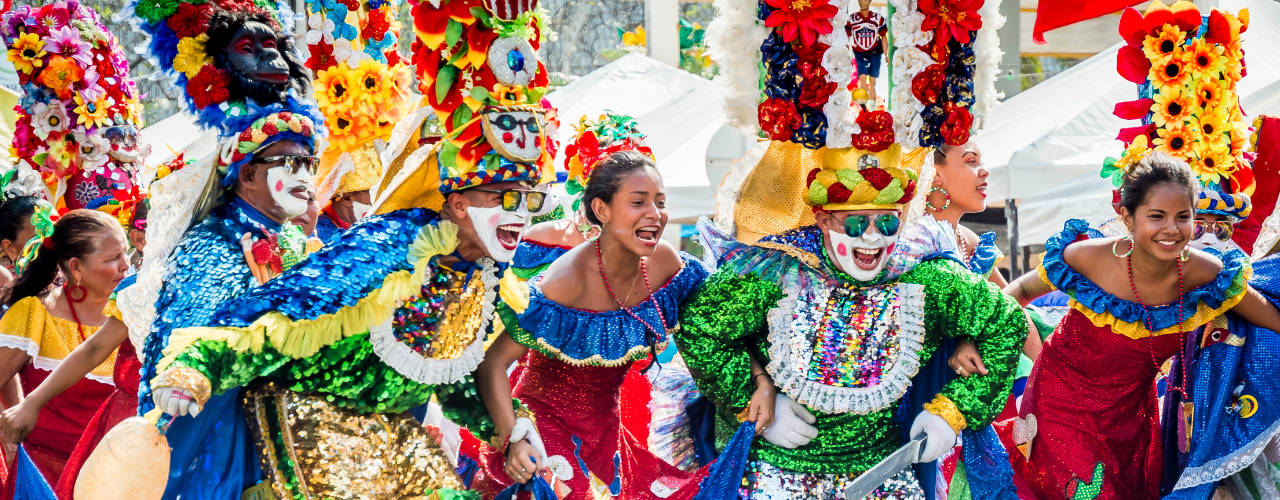
Music is an essential part of Venezuelan life. The joropo, a fast-paced folk rhythm accompanied by the harp, maracas, and cuatro (a small guitar), is considered the national dance. In urban areas, contemporary styles like salsa, merengue, and reggaeton dominate, while the country’s festivals — such as Carnival and the Feria de la Chinita — blend Catholic, Indigenous, and African influences in colorful celebrations.
Venezuelan cuisine is another highlight of its cultural landscape. Staples like arepas (cornmeal patties stuffed with cheese or meat), pabellón criollo (shredded beef with black beans and rice), and hallacas (a Christmas-season dish similar to tamales) showcase the nation’s flavorful diversity.
Sports, particularly baseball, hold a special place in Venezuelan society. The country has produced many world-class baseball players who have succeeded in Major League Baseball (MLB), becoming national heroes and global ambassadors of Venezuelan talent.
A Glimpse Toward Recovery
In recent years, Venezuela has made cautious steps toward stabilization. The government has allowed limited market reforms and foreign investment, particularly in tourism, agriculture, and mining. While challenges remain — including political divisions, international sanctions, and a fragile infrastructure — these efforts hint at a slow, ongoing transformation.
Tourism, in particular, has potential as a sustainable growth sector. From the peaks of Mérida to the beaches of Margarita Island, Venezuela offers breathtaking destinations that could once again attract travelers from around the world — if safety, governance, and infrastructure continue to improve.
The Spirit of the Venezuelan People
What truly defines Venezuela is not its oil wealth or political turmoil, but the spirit of its people. Venezuelans are known for their warmth, creativity, and sense of community. In the face of adversity, they continue to innovate — opening small businesses, creating art, and supporting one another through local initiatives. This resilience, rooted in deep cultural pride and solidarity, is the foundation of hope for a brighter future.
Conclusion
Venezuela’s story is one of contrasts — of wealth and hardship, beauty and struggle, decline and endurance. While the country’s challenges are far from over, its rich culture, natural wonders, and determined people continue to inspire optimism. As Venezuela navigates the path toward recovery, it stands as a reminder that even in times of great difficulty, a nation’s identity, creativity, and spirit can never be extinguished.