
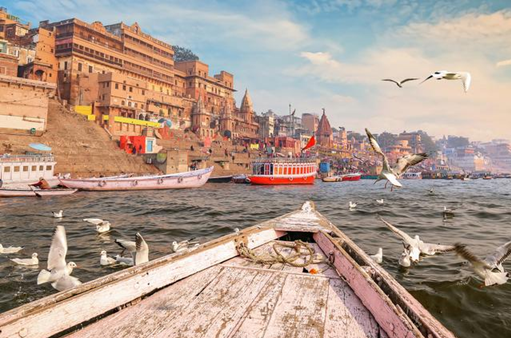
Varanasi, also known as Kashi or Banaras, is one of the world’s oldest living cities and a sacred destination for millions of devotees, seekers, and travelers. While the city is famous for its spirituality, temples, and ancient culture, nothing defines Varanasi more beautifully than its ghats—the long series of riverfront steps stretching along the western bank of the holy Ganga. Each ghat has its own story, purpose, rituals, and history, making them the lifeline of Varanasi’s cultural and spiritual identity.
If you are planning to visit this timeless city, one question often comes to mind:
How many ghats are there in Varanasi?

Total Number of Ghats in Varanasi
Varanasi has around 84 ghats that run along a 6-kilometre stretch of the Ganga River. These ghats were built over many centuries, with some dating back more than 1,000 years while others were constructed during the Maratha and Peshwa periods. Most ghats are used for bathing, religious ceremonies, prayer, meditation, and boat rides, while a few are exclusively reserved for cremation rituals.
These 84 ghats together create a unique blend of faith, heritage, history, architecture, and vibrant everyday life. From early morning yoga to evening Ganga Aarti, the ghats are always alive with colour and activity.
Historical Importance of the Ghats
The ghats of Varanasi have been mentioned in ancient scriptures, including the Puranas and various Hindu texts. Many of them were renovated during the 18th century when Maratha rulers like the Scindias, Holkars, and Peshwas contributed immensely to restoring and preserving Varanasi’s riverfront.
Over time, these ghats became centres of learning, cultural exchange, spirituality, and commerce. Today, they stand not only as historical landmarks but also as living cultural spaces.
Types of Ghats in Varanasi
Although all 84 ghats are located along the same riverbank, their purposes differ. Broadly, they fall into three categories:
1. Bathing and Pilgrimage Ghats
These are the most visited ghats where pilgrims take a holy dip in the Ganga, believing it cleanses their sins and brings spiritual purity. Morning rituals, Surya Namaskar, yoga sessions, and chanting are common sights here.
2. Ceremonial Ghats
These ghats host religious activities, including pujas, havans, and evening aartis. Priests perform rituals for devotees throughout the day.
3. Cremation Ghats
Varanasi is considered the ultimate moksha-dham, a place where one attains liberation. Hence, two ghats are designated for cremation rituals:
-
Manikarnika Ghat
-
Harishchandra Ghat
These ghats operate 24×7 and hold immense religious significance.
Famous Ghats of Varanasi and Their Importance
While there are 84 ghats, a few stand out due to their cultural, spiritual, or historical significance. Here are some of the most iconic ones:
1. Dashashwamedh Ghat
The most popular and busiest ghat, Dashashwamedh Ghat is the venue for the famous Ganga Aarti performed every evening. It is believed that Lord Brahma performed the “Das Ashwamedh Yagya” here.
2. Assi Ghat
Located at the southern end of the riverfront, Assi Ghat is a favourite spot among tourists, students, and foreign travellers. Yoga sessions, cafes, cultural events, and boat rides make it a lively place.
3. Manikarnika Ghat
The primary cremation ghat of Varanasi, it attracts visitors seeking to understand the city’s philosophical connection with life and death. The eternal flame here is said to have been burning for thousands of years.
4. Harishchandra Ghat
Another cremation ghat named after the mythological King Harishchandra, who once worked here as a cremation attendant. It is also considered highly sacred.
5. Scindia Ghat
Known for its partially submerged Shiva temple near the water. The ghat is peaceful and perfect for photography and meditation.
6. Kedar Ghat
A traditional ghat with a strong South Indian influence. It is especially popular among pilgrims.
7. Lalita Ghat
Home to a Nepali-style temple and known for its architecture inspired by the Pashupatinath Temple of Kathmandu.
Why the Number 84 Is Special
Many people wonder why Varanasi specifically has 84 ghats. According to Hindu beliefs, the number 84 represents the 84 lakh life forms a soul must pass through before attaining human birth. The ghats symbolically help devotees break this cycle and move closer to moksha.
Thus, the number is not random—it reflects a deep philosophical idea rooted in ancient spirituality.
Activities to Experience at the Ghats
Visiting the ghats is more than just sightseeing. You can enjoy:
-
Morning boat rides during sunrise
-
Evening Ganga Aarti at Dashashwamedh or Assi Ghat
-
Yoga and meditation sessions
-
Photography of ancient architecture and everyday life
-
Tasting Banarasi street food
-
Exploring nearby temples and alleys
Each ghat offers a different experience, making the riverfront a cultural tapestry you’ll never forget.
Conclusion
So, how many ghats are there in Varanasi?
There are 84 ghats, each with its own story, purpose, and cultural importance. Together, they reflect the soul of Varanasi—timeless, spiritual, and deeply connected to the sacred Ganga.
Whether you are a pilgrim, a traveler, a history lover, or a photographer, the ghats of Varanasi promise a unique and unforgettable experience. When you walk along the riverfront or take a peaceful boat ride, you are not just witnessing the beauty of the city—you are stepping into thousands of years of living heritage.