
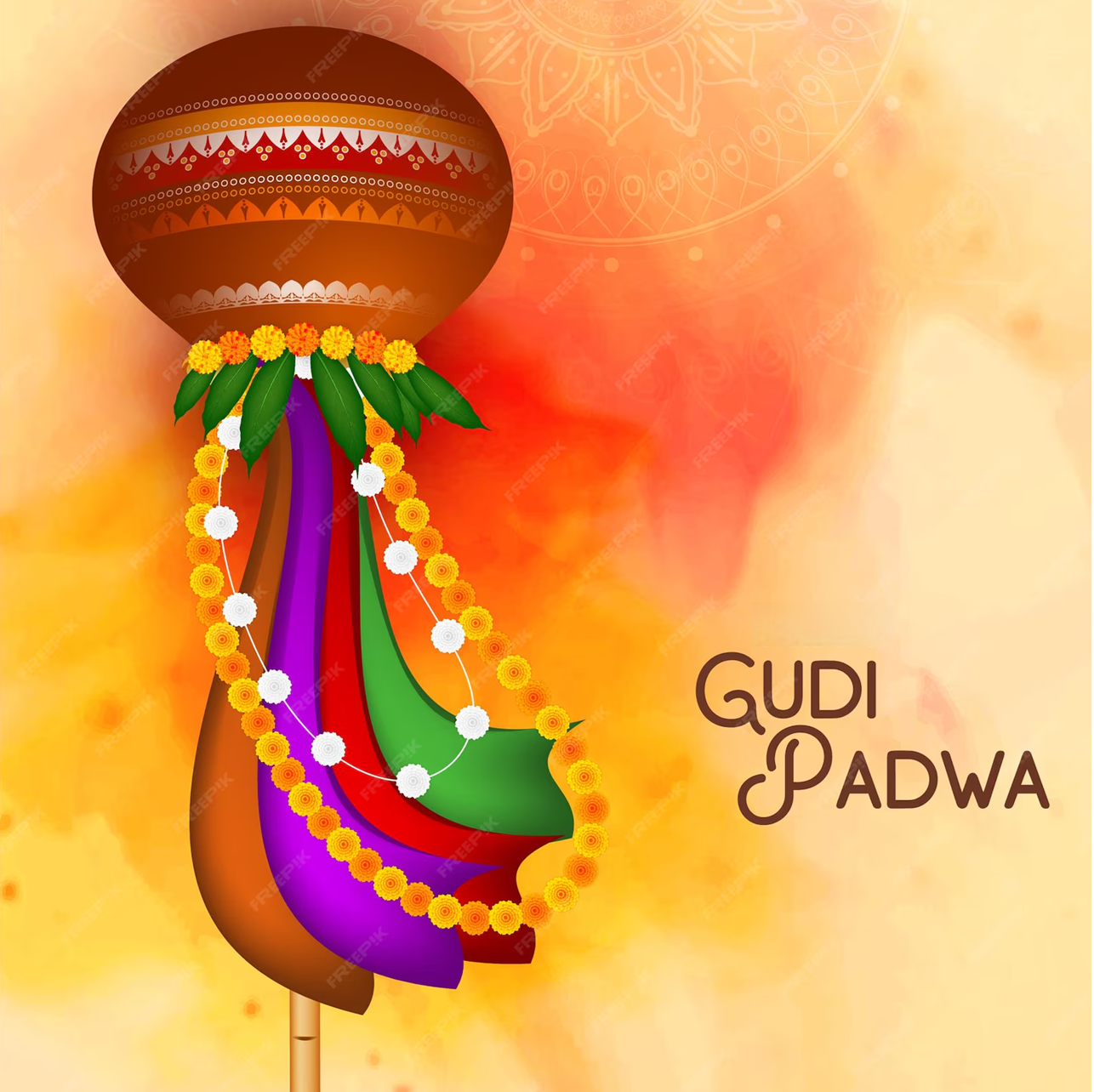
Gudi Padwa is one of the most important and widely celebrated festivals in the Indian state of Maharashtra. It marks the beginning of the Hindu lunisolar calendar year and usually falls in the month of March or April. Known for its cultural richness, spiritual significance, and colorful traditions, Gudi Padwa symbolizes new beginnings, prosperity, and the victory of good over evil.
Significance of Gudi Padwa
Gudi Padwa holds deep historical and mythological importance. It is believed to commemorate the day when Lord Brahma created the universe, marking the beginning of time. For many Hindus, this day represents a fresh start and an opportunity to set new goals and intentions.
Another popular belief associates Gudi Padwa with the victory of Lord Rama over Ravana. After returning to Ayodhya, people celebrated his triumph by hoisting flags, which later evolved into the tradition of raising the “Gudi.”
The festival is also closely linked to agriculture. It marks the end of the Rabi harvest season, bringing joy and relief to farmers as they reap the fruits of their hard work.
What is a Gudi?
The most distinctive feature of Gudi Padwa is the “Gudi,” a decorated flag-like structure hoisted outside homes. It is made using:
-
A bright silk cloth (often yellow, green, or red)
-
A bamboo stick
-
Neem leaves and mango leaves
-
A garland of flowers
-
An inverted copper or silver pot placed on top
The Gudi is usually placed at the entrance or near a window, facing the right direction. It is considered a symbol of victory, prosperity, and protection from evil forces. Many people also believe that it invites good luck into the household.
Rituals and Traditions
Gudi Padwa is celebrated with great enthusiasm and devotion. The day begins early in the morning with a ritual oil bath, followed by wearing new clothes. Homes are thoroughly cleaned and decorated with rangoli designs made using colored powders.
1. Hoisting the Gudi
Families gather to erect the Gudi outside their homes. This act is accompanied by prayers and offerings, seeking blessings for the year ahead.
2. Special Prayers
People visit temples and offer prayers to deities, especially Lord Vishnu and Lord Brahma. Many households also perform puja at home.
3. Eating Neem and Jaggery
A unique tradition of Gudi Padwa is consuming a mixture of neem leaves and jaggery. This combination represents the balance of bitter and sweet experiences in life, reminding people to accept both joy and hardship with equal grace.
4. Festive Foods
Delicious dishes are prepared to celebrate the occasion. Some popular items include:
-
Puran Poli (sweet flatbread)
-
Shrikhand (sweet yogurt dessert)
-
Poori and vegetable curries
These dishes are shared among family members and guests, adding to the festive spirit.
Cultural Celebrations
Gudi Padwa is not just a religious festival; it is also a celebration of culture and community. In cities like Mumbai and Pune, grand processions are organized, featuring traditional music, dance, and vibrant costumes.
People dress in traditional Maharashtrian attire—women wear nauvari sarees, while men wear kurta-pajama with a saffron turban. Folk dances like Lezim and Dhol performances create an energetic and joyful atmosphere.
Many communities also organize cultural programs, competitions, and social gatherings to strengthen bonds and celebrate together.
Regional Variations
While Gudi Padwa is primarily celebrated in Maharashtra, similar festivals are observed across India under different names:
-
Ugadi in Andhra Pradesh and Karnataka
-
Cheti Chand in Sindhi communities
-
Navreh in Kashmir
Though the names and customs vary, the essence remains the same—welcoming the New Year with positivity and hope.
Astrological Importance
Gudi Padwa is considered highly auspicious in astrology. It marks the beginning of the Chaitra month, which is the first month of the Hindu calendar. Many people start new ventures, buy property, or make important decisions on this day, believing it will bring success and prosperity.
Astrologers often prepare yearly horoscopes (Panchang) on this occasion, guiding individuals about the year ahead.
Modern-Day Celebrations
In today’s fast-paced world, Gudi Padwa continues to hold relevance while adapting to modern lifestyles. People now celebrate the festival not only in homes but also through social media, sharing greetings and photos.
Eco-friendly celebrations are also gaining popularity. Many families use sustainable materials for decoration and avoid plastic to protect the environment.
Additionally, young generations are rediscovering the cultural roots of the festival, participating actively in rituals and community events.
Why Gudi Padwa Matters Today
Gudi Padwa is more than just a traditional festival—it is a reminder of renewal, resilience, and positivity. In a world filled with challenges, the festival encourages people to embrace change, stay hopeful, and celebrate life.
It also plays a vital role in preserving cultural heritage. By passing down traditions from one generation to another, Gudi Padwa keeps the rich legacy of Indian culture alive.
Conclusion
Gudi Padwa is a beautiful blend of spirituality, culture, and celebration. From the symbolic Gudi to the delicious festive foods and lively processions, every aspect of the festival reflects joy and optimism.
As the Marathi New Year begins, Gudi Padwa inspires people to leave behind the past, welcome new opportunities, and move forward with confidence and positivity. Whether celebrated traditionally or in a modern way, its essence remains timeless—celebrating life, hope, and new beginnings.
Chaitra Navratri 2026: Dates, Significance, Rituals & Celebrations