
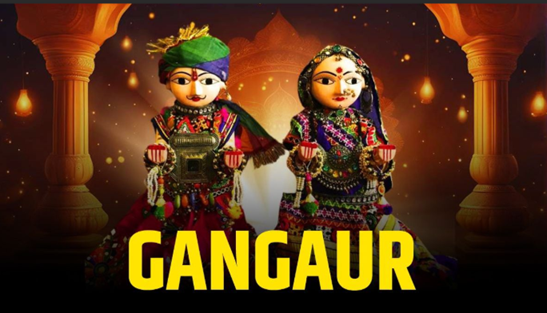
The Gangaur Festival is one of the most vibrant and culturally rich festivals celebrated in India, especially in the state of Rajasthan. Dedicated to Goddess Gauri, a manifestation of Parvati and the consort of Shiva, this festival symbolizes marital bliss, fertility, and the arrival of spring. The word “Gangaur” itself is derived from “Gan” (referring to Shiva) and “Gaur” (referring to Gauri), representing the divine couple.
Celebrated with immense enthusiasm, Gangaur holds a special place in the hearts of women, both married and unmarried, who observe rituals and prayers for a happy married life or a suitable life partner. This festival is not only a religious occasion but also a cultural spectacle filled with colorful traditions, music, dance, and processions.
Historical and Mythological Significance
The origins of the Gangaur Festival can be traced back to ancient Hindu traditions and mythology. According to popular beliefs, Goddess Gauri performed intense penance to win the love and devotion of Lord Shiva. Impressed by her dedication, Shiva accepted her as his wife, making their union a symbol of eternal love and commitment.
Women worship Gauri during this festival to seek her blessings for marital happiness and prosperity. Married women pray for the long life and well-being of their husbands, while unmarried girls seek a loving and caring spouse.
Gangaur also reflects agrarian traditions, as it coincides with the harvest season and marks the end of winter. Farmers celebrate it as a time of prosperity and abundance, thanking nature for a successful crop cycle.
When is Gangaur Celebrated?
Gangaur is observed in the Hindu month of Chaitra (March–April), starting a day after Holi and lasting for about 16 to 18 days. The final day, known as Gangaur Teej, is the most significant and is marked by grand celebrations and processions.
The festival’s timing also aligns with the arrival of spring, making it a celebration of renewal, growth, and new beginnings.
Rituals and Traditions
1. Worship of Gauri
Women begin the festival by collecting clay or wooden idols of Gauri and Shiva. These idols are beautifully decorated with colorful clothes, jewelry, and flowers. Every day, women offer prayers, sing traditional songs, and perform rituals in honor of the goddess.
2. Fasting and Devotion
A key aspect of Gangaur is fasting. Married women observe fasts for the well-being of their husbands, while unmarried girls fast to seek a suitable match. The rituals are performed with sincerity and devotion, reflecting deep faith in the goddess.
3. Decorating Earthen Pots
Women carry decorated earthen pots, known as “ghudlias,” with small holes and a lamp inside. These pots are symbolic of light and positivity. In the evenings, women gather in groups, sing folk songs, and carry these pots on their heads while visiting neighbors.
4. Traditional Songs and Dance
Folk songs dedicated to Gauri and Shiva are an integral part of the celebrations. Women sing these songs while performing rituals, creating an atmosphere of joy and togetherness. Traditional dances add to the festive spirit, especially in rural areas.
Grand Processions and Celebrations
One of the most striking features of Gangaur is the grand processions held on the final day. Cities like Jaipur, Udaipur, and Jodhpur are famous for their elaborate Gangaur processions.
These processions include beautifully decorated idols of Gauri and Shiva placed on palanquins, accompanied by traditional musicians, dancers, and people dressed in vibrant Rajasthani attire. Elephants, camels, and horses often form part of the procession, adding grandeur and a royal touch.
In Udaipur, the procession culminates at Lake Pichola, where idols are taken on boats, creating a breathtaking visual experience.
Cultural Importance
Gangaur is more than just a religious festival; it is a celebration of Rajasthan’s rich cultural heritage. It showcases traditional art forms, music, and craftsmanship. Local artisans create beautifully crafted idols and decorations, contributing to the festive economy.
The festival also strengthens social bonds, as women come together to celebrate, share stories, and participate in community activities. It promotes unity and a sense of belonging among people.
Gangaur Beyond Rajasthan
Although Gangaur is most prominently celebrated in Rajasthan, it is also observed in other parts of India, including Gujarat, Madhya Pradesh, and Uttar Pradesh. In these regions, the rituals may vary slightly, but the essence of devotion and celebration remains the same.
In urban areas, cultural organizations and communities organize events and fairs to keep the traditions alive. These events often include exhibitions, folk performances, and food stalls, attracting both locals and tourists.
Traditional Attire and Cuisine
During Gangaur, women dress in traditional Rajasthani attire, such as ghagra-choli and odhni, adorned with intricate embroidery and vibrant colors. Jewelry plays a significant role, with women wearing bangles, necklaces, and earrings to enhance their festive look.
The festival is also marked by the preparation of special dishes. Traditional sweets like ghewar, gujiya, and kheer are commonly prepared and shared with family and friends. These delicacies add flavor to the celebrations and reflect the region’s culinary richness.
Modern Relevance
In today’s fast-paced world, festivals like Gangaur continue to hold relevance by preserving cultural values and traditions. They provide an opportunity for people to reconnect with their roots and celebrate togetherness.
Gangaur has also become a tourist attraction, drawing visitors from across the globe who wish to experience Rajasthan’s vibrant culture. The colorful processions, traditional music, and festive atmosphere offer a unique glimpse into India’s cultural diversity.
Conclusion
The Gangaur Festival is a beautiful blend of devotion, tradition, and celebration. Dedicated to Goddess Gauri and Lord Shiva, it symbolizes love, harmony, and prosperity. From heartfelt prayers and fasting rituals to grand processions and cultural performances, every aspect of the festival reflects the rich heritage of India.
Whether celebrated in the royal streets of Jaipur or in small villages, Gangaur brings people together in a spirit of joy and devotion. It serves as a reminder of the timeless values of love, commitment, and faith, making it one of the most cherished festivals in the Indian cultural landscape.