
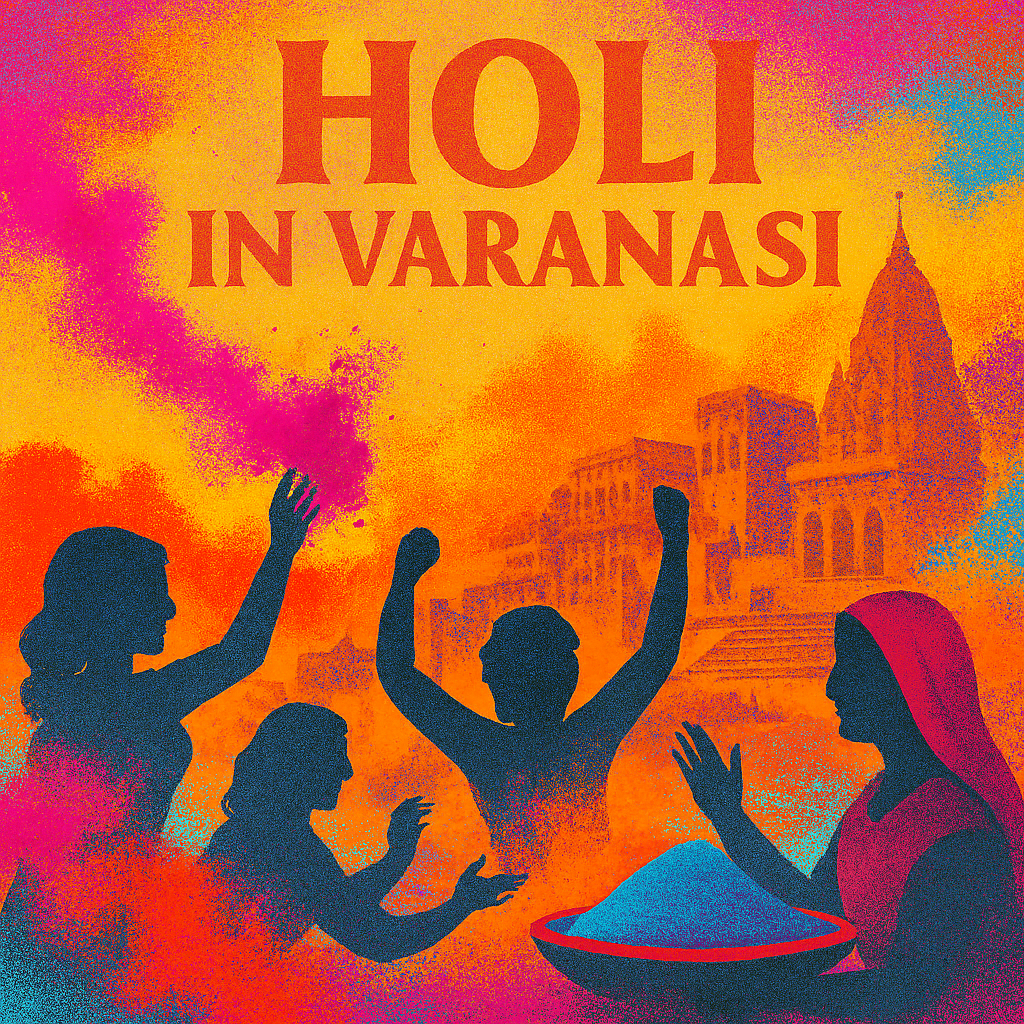
Holi in Varanasi is not just a festival—it is an experience that blends devotion, tradition, music, and vibrant celebration. Known as one of the oldest living cities in the world, Varanasi transforms into a lively canvas of colors during Holi. In 2026, Holi will be celebrated on Tuesday, March 3, while Holika Dahan will take place on the evening of Monday, March 2. If you are planning to witness Holi in Varanasi in 2026, you can expect a unique mix of spirituality and festivity that sets this city apart from any other destination in India.
In 2026, the Holi celebrations in Varanasi will include:
These dates mark significant events in the Holi festivities, particularly at the Manikarnika and Harishchandra Ghats.
The Significance of Holi
Holi is celebrated across India as the festival of colors, symbolizing the victory of good over evil and the arrival of spring. The festival is rooted in Hindu mythology, particularly the legend of Prahlad and Holika, which explains the tradition of Holika Dahan—the ritual bonfire that signifies the burning away of negativity.
In Varanasi, Holi carries an additional layer of spiritual meaning. As a sacred city dedicated to Lord Shiva, celebrations often reflect deep devotion alongside playful enthusiasm. The festival becomes a joyful expression of faith, community, and renewal.
Holika Dahan in Varanasi
The celebrations begin with Holika Dahan on the night before Holi. Across neighborhoods and ghats, people gather to light bonfires, perform rituals, and offer prayers. Families circle the fire, seeking blessings for prosperity and protection from evil. The atmosphere is filled with chanting, devotional songs, and a sense of anticipation for the next day’s celebrations.
In Varanasi, Holika Dahan is observed with traditional customs. Priests conduct rituals while locals participate with reverence. The combination of sacred chants and glowing fire against the historic backdrop of the city creates a powerful visual and emotional experience.
Rangwali Holi: A Burst of Colors
On March 3, 2026, Varanasi will come alive with Rangwali Holi—the day of colors. From early morning, streets, temples, and ghats are filled with people applying gulal (colored powder) to one another. The phrase “Bura na mano, Holi hai” (Don’t mind, it’s Holi) echoes through the lanes, encouraging a spirit of joy and forgiveness.
The narrow alleys near the Kashi Vishwanath Temple and the areas around Dashashwamedh Ghat become vibrant gathering spots. Music, drums, and dancing add rhythm to the celebration. Groups of locals and visitors move through the streets, singing traditional Holi songs known as “phag” and enjoying festive treats.
Unlike some modern Holi parties centered around loud events, Holi in Varanasi maintains a strong cultural essence. While there is plenty of dancing and celebration, there is also a noticeable connection to age-old traditions.
Holi at the Ghats
The ghats of Varanasi, especially Dashashwamedh and Assi Ghat, are among the most iconic locations during Holi. As colors fill the air, the sight of the Ganga flowing calmly nearby creates a striking contrast. Many people gather at Assi Ghat, where celebrations often start early and continue through the afternoon.
Visitors can witness a blend of locals, students, sadhus (holy men), and travelers celebrating together. Sadhus, covered in vibrant colors, add a unique and photogenic element to the festivities. The shared joy transcends social and cultural boundaries, making it a truly inclusive celebration.
Special Traditions in Varanasi
Varanasi is closely associated with Lord Shiva, and this connection influences its Holi traditions. In some parts of the city, you may hear devotional songs dedicated to Shiva. The playful nature of Holi is often linked to stories of divine love and cosmic celebration.
One notable aspect of Holi in Varanasi is the use of traditional folk music. Instead of only modern songs, many neighborhoods host live performances featuring dhol (drums) and local singers. This keeps the celebration rooted in cultural heritage.
In nearby regions such as Vrindavan and Barsana, Lathmar Holi is famous, but Varanasi’s Holi is more about spiritual energy mixed with street celebration. The mood is joyful yet respectful of the city’s sacred character.
Food and Festive Delights
No festival in Varanasi is complete without special food. During Holi, local sweets and snacks play an important role. Gujiya, a sweet dumpling filled with khoya and dry fruits, is a traditional favorite. Malpua, dahi vada, and various savory snacks are also widely enjoyed.
Thandai, a chilled milk-based drink flavored with nuts and spices, is particularly popular during Holi. In some cases, bhang (a preparation made from cannabis leaves) is added, as it is traditionally associated with Lord Shiva. However, visitors should consume responsibly and be aware of its effects.
Street vendors and local shops prepare festive items days in advance, adding to the excitement in the city.
Safety and Travel Tips for 2026
If you plan to experience Holi in Varanasi in 2026, preparation is important. Here are some practical tips:
-
Wear simple, comfortable clothes that you do not mind getting stained.
-
Protect your skin and hair by applying oil or moisturizer before stepping out.
-
Keep valuables secure and avoid carrying unnecessary items.
-
Respect local customs and always ask before taking photographs of people.
-
Stay hydrated and celebrate responsibly.
It is also advisable to book accommodations well in advance, as Varanasi attracts a large number of domestic and international tourists during Holi.
A Unique Cultural Experience
What makes Holi in Varanasi truly special is the combination of celebration and spirituality. Few places offer the chance to play with colors in the morning and witness the serene Ganga Aarti in the evening. As the sun sets and the colors gradually wash away, the city returns to its spiritual rhythm, reminding visitors of its timeless essence.
Holi here is not just about vibrant powders and music—it is about community, forgiveness, and renewal. Strangers become friends, differences are set aside, and the city pulses with positive energy.
Conclusion
Holi in Varanasi 2026, celebrated on March 3 with Holika Dahan on March 2, promises to be a memorable event filled with color, devotion, and cultural richness. From sacred rituals by the Ganga to lively street celebrations, the festival captures the heart of this ancient city.
For those seeking a Holi experience that blends tradition with joy, Varanasi offers something truly unforgettable. The city’s spiritual heritage, combined with the exuberance of the festival of colors, creates a celebration that lingers in memory long after the colors fade.