
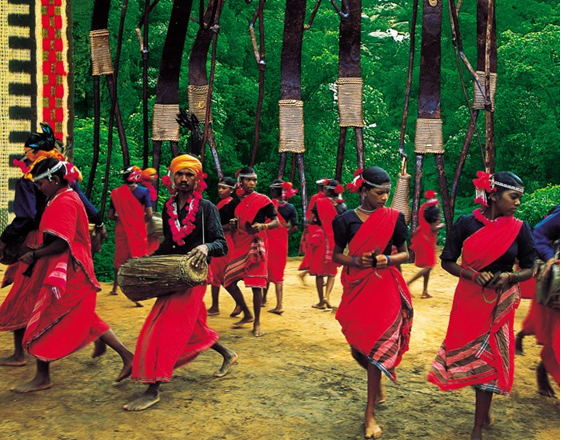
Chhattisgarh, located in central India, is widely known for its rich tribal heritage, colorful traditions, and vibrant cultural life. Chhattisgarh Festivals reflect the deep connection between people, nature, agriculture, and spirituality. The state celebrates a mix of tribal festivals, regional celebrations, and major Indian festivals with unique customs and rituals. These festivals are not only religious occasions but also opportunities for social bonding, folk performances, and traditional feasts.
Importance of Festivals in Chhattisgarh Culture
Festivals in Chhattisgarh play a vital role in preserving the traditions of tribal communities and rural populations. A large portion of the state’s population belongs to tribal groups, and their celebrations are closely linked to agriculture, forests, and seasonal changes.
Unlike urban celebrations that focus mainly on religious rituals, festivals in Chhattisgarh often include:
- Folk music and dance performances
- Traditional dress and ornaments
- Community gatherings
- Local fairs (melas)
- Worship of nature and village deities
These celebrations help strengthen community bonds and pass cultural traditions from one generation to the next.
Hareli Festival: Celebration of Agriculture
Hareli is one of the most important festivals celebrated in Chhattisgarh. It marks the beginning of the agricultural season and is primarily observed by farmers.
When It Is Celebrated
Hareli is celebrated during the Shravan month (July–August), just before sowing crops.
How It Is Celebrated
Farmers worship agricultural tools such as ploughs and tractors, seeking blessings for a good harvest. Homes are decorated with neem leaves, believed to protect against diseases and evil spirits.
Children enjoy traditional games such as:
- Walking on bamboo stilts (called Gedi)
- Rural sports competitions
- Village fairs
Hareli reflects the strong agricultural roots of Chhattisgarh and highlights the importance of farming in daily life.
Pola Festival: Honoring Bulls
Pola is another major agricultural festival in Chhattisgarh that celebrates the importance of bulls in farming.
Key Highlights
- Bulls are washed, decorated, and worshipped.
- Their horns are painted in bright colors.
- Farmers organize bull races and competitions.
- Children play with clay bull models.
Pola demonstrates gratitude toward animals that assist farmers in agricultural work.
Teeja Festival: Celebration for Women
Teeja is a special festival for married women in Chhattisgarh. It symbolizes love, devotion, and marital happiness.
Rituals and Traditions
Women observe fasts for the well-being of their husbands and families. They wear colorful traditional clothes, apply mehndi (henna), and sing folk songs.
Married daughters return to their parents’ homes during Teeja, making it a joyful family reunion festival.
Traditional activities include:
- Singing Teeja songs
- Swinging on decorated swings
- Preparing special sweets and dishes
Teeja highlights the emotional and cultural importance of family relationships in Chhattisgarh society.
Bastar Dussehra: The Longest Dussehra Celebration
One of the most famous festivals in Chhattisgarh is Bastar Dussehra, celebrated mainly in the Bastar region.
Unique Features
Unlike the typical Dussehra celebrated across India, Bastar Dussehra lasts about 75 days, making it one of the longest festivals in the world.
Cultural Importance
This festival is dedicated to Goddess Danteshwari, the main deity of the Bastar region. It includes:
- Traditional chariot processions
- Tribal rituals
- Cultural performances
- Community gatherings
Thousands of people participate in the festival, making it a major tourist attraction.
Madai Festival: Tribal Cultural Celebration 
Madai is a popular tribal festival celebrated in several districts of Chhattisgarh. It is known for its lively atmosphere and traditional entertainment.
Festival Highlights
- Worship of village deities
- Tribal dance and music performances
- Local markets and fairs
- Sale of handicrafts and forest products
Madai festivals are organized at different times in various villages, allowing communities to gather and celebrate together.
Navakhai Festival: Welcoming New Harvest
Navakhai is celebrated to welcome the new harvest season. Farmers offer newly harvested crops to their deities before consuming them.
Cultural Meaning
This festival symbolizes gratitude for nature’s blessings and ensures prosperity in the coming agricultural year.
Families prepare traditional dishes using fresh grains and share meals together.
Goncha Festival: Unique Tribal Celebration 
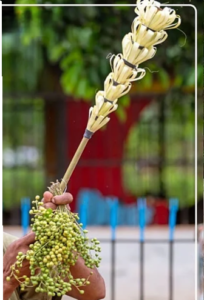
Goncha is a distinctive festival celebrated mainly in the Bastar region. It is famous for its playful tradition involving fruit-based mock weapons.
Special Tradition
Participants use toy guns made from bamboo and shoot small fruits called “Goncha” as part of the celebration. The event attracts tourists and photographers due to its unusual rituals.
Diwali in Chhattisgarh: Festival of Lights 

Diwali is celebrated across Chhattisgarh with great enthusiasm, similar to other parts of India.
Common Traditions
- Lighting diyas (oil lamps)
- Decorating homes with rangoli
- Performing Lakshmi Puja
- Sharing sweets and gifts
However, rural areas often add local folk traditions to the celebration, making it culturally unique.
Holi Festival: Colors and Joy
Holi is another major festival celebrated in Chhattisgarh. Villages organize community gatherings with music, dance, and color play.
Special Features
- Singing traditional Holi songs
- Community feasts
- Cultural performances
Holi celebrations in tribal regions often include unique rituals passed down through generations.
Bastar Lokotsav: Cultural Showcase
Bastar Lokotsav is a cultural festival that showcases the rich heritage of tribal communities.
Festival Activities
- Folk dance performances
- Handicraft exhibitions
- Traditional food stalls
- Cultural competitions
It promotes tourism and supports local artisans.
Traditional Food During Festivals
Festivals in Chhattisgarh are incomplete without delicious traditional dishes. Some popular festive foods include:
- Chila (rice pancake)
- Fara (steamed rice dumplings)
- Thethri (crispy snack)
- Khurma (sweet snack)
- Angakar Roti
These foods are prepared using locally available ingredients and reflect the region’s agricultural lifestyle.
Folk Music and Dance in Festivals
Music and dance are central elements of festivals in Chhattisgarh. Each community has its own traditional dance styles performed during celebrations.
Popular dance forms include:
- Panthi Dance
- Raut Nacha
- Karma Dance
- Gaur Dance
These performances often depict stories from mythology, nature, and daily life.
Role of Tribal Communities in Festivals
Tribal communities play a major role in preserving the traditional festivals of Chhattisgarh. Their rituals often involve:
- Worship of forests and nature
- Sacred rituals performed by village priests
- Community feasts
- Traditional storytelling
These practices help maintain ecological awareness and respect for nature.
Tourism Opportunities During Festivals
Festivals in Chhattisgarh attract tourists interested in culture and traditions. Visitors can experience:
- Traditional tribal rituals
- Handicraft markets
- Folk performances
- Unique village celebrations
Popular tourist areas such as Bastar become lively during festival seasons, offering travelers a chance to witness authentic rural traditions.
Modern Influence on Traditional Festivals
With modernization and urbanization, festival celebrations in Chhattisgarh have evolved. While traditional customs remain strong, modern elements such as:
- Stage performances
- Electric decorations
- Organized cultural events
have become more common in cities and towns.
Despite these changes, the core cultural values of the festivals remain intact.
Conclusion
Festivals in Chhattisgarh beautifully reflect the state’s rich cultural heritage, tribal traditions, and agricultural lifestyle. From Hareli and Pola to Bastar Dussehra and Madai, each festival carries deep meaning and showcases the harmony between people, animals, and nature.
These celebrations are not just religious events—they are expressions of community spirit, cultural identity, and gratitude toward nature. As tourism grows and cultural awareness increases, festivals in Chhattisgarh continue to attract visitors who wish to experience the authentic traditions of central India.
Understanding these festivals offers valuable insight into the vibrant lifestyle and enduring traditions that make Chhattisgarh one of India’s culturally rich states.