
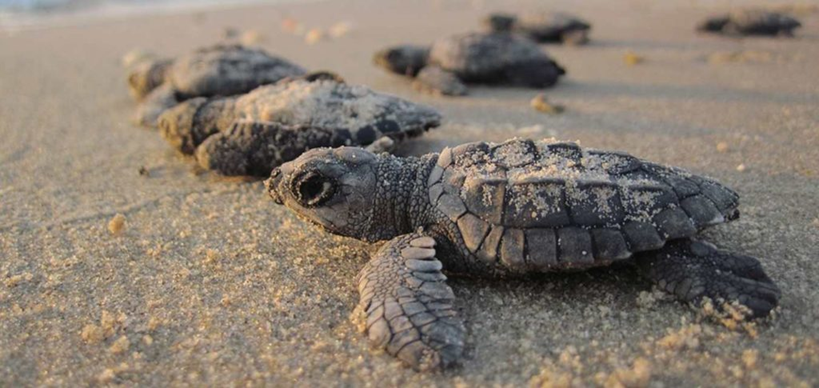
The Velas Turtle Festival is one of India’s most inspiring eco-tourism events, known for its role in protecting endangered sea turtles while promoting sustainable tourism. Held every year in the small coastal village of Velas in Maharashtra, this festival attracts nature lovers, wildlife photographers, students, and travelers who want to witness the magical moment when baby turtles hatch and make their journey toward the sea.

What is the Velas Turtle Festival?
The Velas Turtle Festival is an annual conservation-focused festival organized to protect Olive Ridley sea turtles, one of the most endangered marine species. The festival celebrates the hatching season of these turtles and creates awareness about marine conservation.
Velas is a small coastal village located in Ratnagiri district of Maharashtra. It is known for its unspoiled beaches, traditional homes, and community-led conservation programs. The turtle festival is not just about tourism—it is a conservation movement led by local villagers and environmental groups.
The festival typically takes place between February and April, depending on the turtle nesting and hatching season. During this time, visitors gather on Velas Beach early in the morning to watch baby turtles hatch from their nests and crawl toward the Arabian Sea.
History and Origin of the Festival
The Velas Turtle Festival began as a conservation initiative rather than a tourism event. In earlier years, Olive Ridley turtle eggs were often destroyed due to predators, human activities, and lack of awareness.
To address this issue, the Sahyadri Nisarga Mitra organization, along with local villagers, started a turtle conservation project in the early 2000s. They began protecting turtle nests and relocating eggs to safe hatcheries. Over time, this conservation effort gained recognition, and the idea of a turtle festival emerged to involve tourists and spread awareness.
As more people visited Velas to witness turtle hatchlings, the event grew into a structured festival promoting eco-tourism, sustainable livelihoods, and wildlife protection.
Olive Ridley Turtles: The Stars of the Festival
Olive Ridley turtles are among the smallest sea turtles found in the world. They are known for their olive-green colored shells and their mass nesting behavior, called “arribada,” where thousands of turtles come ashore to lay eggs.
Female Olive Ridley turtles travel long distances across oceans and return to the same beaches where they were born to lay eggs. After laying eggs in the sand, the female returns to the sea, leaving the eggs to hatch naturally.
The eggs take about 45 to 60 days to hatch. When the hatchlings emerge, they instinctively crawl toward the sea. This short journey is the most dangerous part of their life, as many predators target the baby turtles.
The Velas Turtle Festival helps increase survival rates by protecting nests and ensuring safe release of hatchlings.
Activities During the Velas Turtle Festival
Visitors to the Velas Turtle Festival can participate in several exciting and educational activities that promote environmental awareness.
Turtle Hatching Observation
The main highlight of the festival is watching baby turtles hatch and move toward the sea. This usually happens during early morning or evening hours. Visitors are guided by trained volunteers who ensure that the hatchlings are not disturbed.
This experience is emotional and unforgettable, as hundreds of tiny turtles begin their first journey into the ocean.
Village Homestay Experience
Unlike commercial tourism, Velas promotes community-based homestays. Visitors stay in traditional village houses run by local families. These homestays offer simple but comfortable accommodations and traditional Maharashtrian meals.
Staying with local families allows visitors to experience village life, local customs, and regional cuisine.
Nature Walks and Bird Watching
Velas village and nearby areas are rich in biodiversity. Visitors can enjoy nature walks and bird-watching tours guided by local experts. The region is home to several species of birds, butterflies, and coastal plants.
Nature walks also help visitors understand the coastal ecosystem and the importance of preserving natural habitats.
Visit to Nearby Attractions
Tourists visiting Velas can also explore nearby historical and scenic locations. These include forts, beaches, and temples that showcase the rich cultural heritage of the Konkan region.
Importance of Turtle Conservation
The Velas Turtle Festival plays a major role in protecting Olive Ridley turtles and promoting marine conservation.
Sea turtles are important for maintaining the balance of marine ecosystems. They help control jellyfish populations, maintain healthy seagrass beds, and support marine biodiversity.
However, turtles face several threats, including:
- Coastal development
- Pollution and plastic waste
- Fishing nets and accidental capture
- Climate change
- Poaching of eggs
By protecting nests and spreading awareness, the Velas Turtle Festival helps reduce these threats and improves the survival rate of turtle hatchlings.
Sustainable Tourism Model
One of the most impressive aspects of the Velas Turtle Festival is its focus on sustainable tourism. Instead of large hotels and resorts, the festival encourages eco-friendly tourism through homestays.
This model provides income opportunities for local villagers while preserving the natural environment. The community actively participates in conservation activities, making the festival a successful example of people-driven wildlife protection.
Visitors are encouraged to follow eco-friendly practices such as avoiding plastic use, respecting wildlife, and minimizing noise and pollution.
Best Time to Visit Velas Turtle Festival
The best time to visit the Velas Turtle Festival is between February and April. However, the exact dates depend on the turtle nesting season.
Early mornings and evenings are the best times to observe turtle hatchlings. Visitors should plan their stay for at least two days to increase their chances of witnessing the hatching process.
Advance booking is recommended because homestay accommodations are limited and in high demand during the festival season.
How to Reach Velas Village
Velas village is located in the Ratnagiri district of Maharashtra and can be reached by road from major cities.
By Road
Velas is well-connected to cities like Mumbai and Pune by road. Private vehicles and buses are common travel options.
By Rail
The nearest railway station is in Khed, which connects to major railway routes. From there, visitors can hire taxis to reach Velas village.
By Air
The nearest airports are located in Mumbai and Pune. From these cities, travelers can continue their journey by road.
Planning travel in advance helps ensure a comfortable and smooth visit.
Guidelines for Visitors
To protect turtle hatchlings and maintain environmental balance, visitors must follow specific rules during the festival.
Some important guidelines include:
- Maintain silence near turtle nests
- Avoid touching turtle eggs or hatchlings
- Do not use flash photography
- Follow instructions given by volunteers
- Avoid littering and plastic use
- Respect local culture and traditions
Following these guidelines helps ensure that the turtles remain safe and the ecosystem stays protected.
Cultural Significance of Velas Village
Apart from turtle conservation, Velas village is known for its cultural heritage. It is the birthplace of Nana Phadnavis, a prominent statesman during the Maratha Empire.
Visitors can explore traditional Konkan-style houses, local festivals, and cultural traditions that reflect the lifestyle of coastal Maharashtra communities.
Local cuisine, including homemade vegetarian and seafood dishes, adds to the cultural experience.
Educational Value of the Festival
The Velas Turtle Festival is not just a tourist attraction—it is also an educational platform. Schools, colleges, and environmental groups often organize study trips to the festival.
Students learn about wildlife conservation, marine biology, and environmental protection. The festival helps create awareness among young people about the importance of preserving natural resources.
Workshops and guided sessions are sometimes conducted to educate visitors about turtle conservation techniques and ecological balance.
Future of the Velas Turtle Festival
Over the years, the Velas Turtle Festival has become a successful example of community-driven conservation. The survival rate of turtle hatchlings has improved significantly due to dedicated efforts by volunteers and villagers.
As awareness grows, more visitors are expected to participate in eco-tourism activities. Continued support from tourists, environmental organizations, and government agencies will play a key role in sustaining the festival.
Future plans may include expanding conservation programs, improving eco-tourism facilities, and strengthening awareness campaigns.
Conclusion
The Velas Turtle Festival is a remarkable blend of wildlife conservation, community involvement, and sustainable tourism. It offers visitors a rare opportunity to witness the miracle of life as baby turtles begin their journey into the ocean.
More importantly, the festival highlights the importance of protecting endangered species and preserving natural ecosystems. By participating responsibly, visitors contribute to the conservation of Olive Ridley turtles and support the livelihoods of local communities.
For nature lovers, students, photographers, and eco-travel enthusiasts, the Velas Turtle Festival is more than just an event—it is a meaningful experience that connects people with nature and inspires a deeper respect for wildlife and the environment.